Secondhand shops in Novi Sad: a guide
Vintage shops, charity shops, flea markets and consignment in Novi Sad: what to expect from each and what to look out for.
Trifto team · · 5 min read
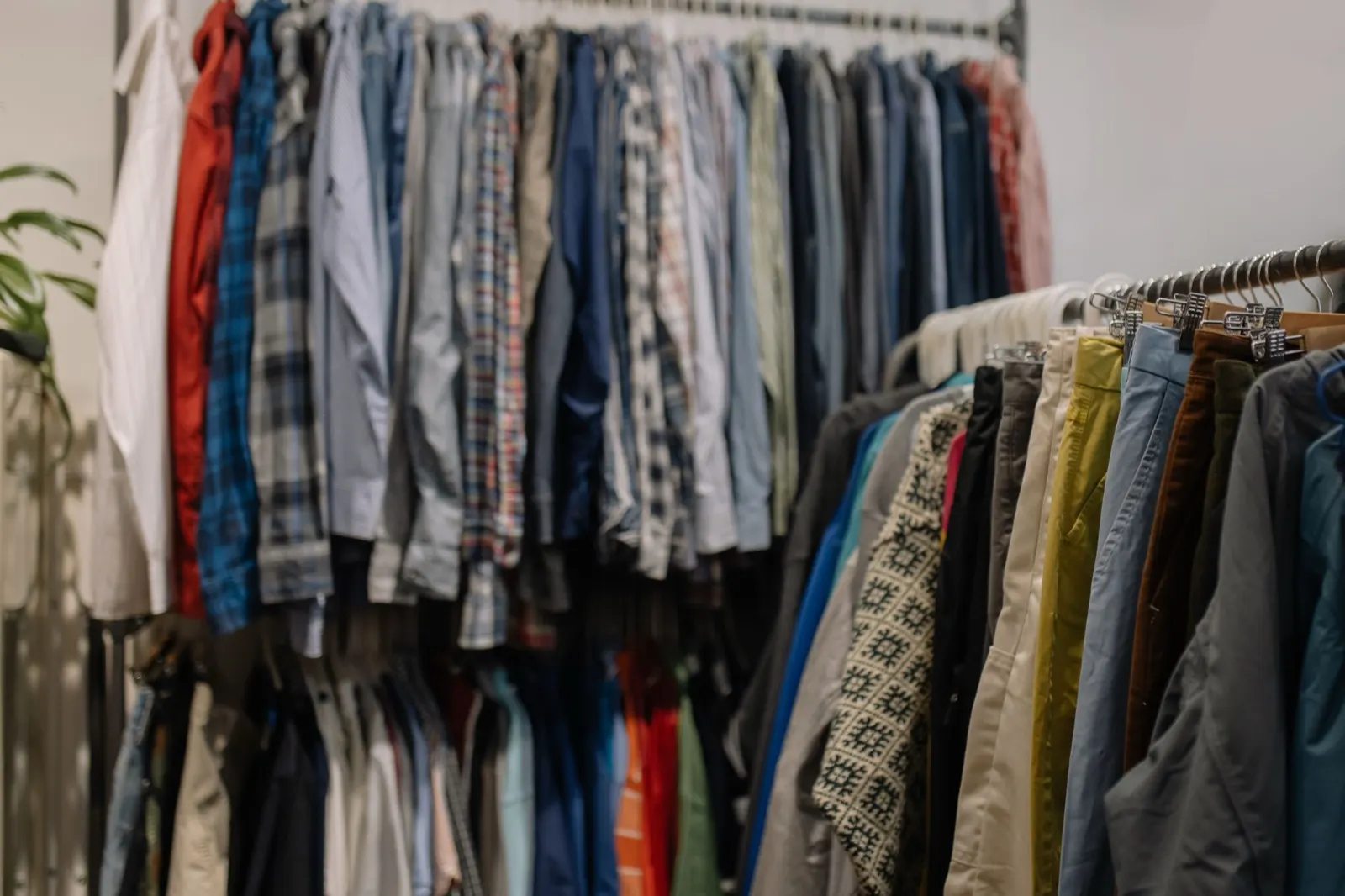
Novi Sad is a great city for hunting secondhand clothes: the centre is compact, everything is close, and the options range from carefully picked vintage pieces to huge piles you can dig through for hours. This guide explains the types of secondhand shops in the city, what to expect from each and what to look out for. We're adding the list of specific places gradually.
Finding your way: types of secondhand places
Before you set off, it helps to know what you're after, because each type of shop works differently:
- Vintage shops have a curated selection, higher prices and pieces with character.
- Charity shops sell donated clothing, and the proceeds go to good causes.
- Flea markets (buvljak) offer the widest choice and lowest prices, but require patience.
- Consignment shops sell other people's items for a commission, so stock is usually in good condition.
- Shops selling by weight or by "new batch" get stock in bales and refresh their selection regularly.
Vintage shops
Vintage shops are the place for pieces older than twenty-odd years, rare models, quality fabrics and things you don't see every day. Someone has already done the sorting for you, so prices are higher than at a flea market, but your chances of finding something special are much better.
What to look out for
- Check seams, lining and zips. Older pieces are often better made, but also more worn in places you don't notice straight away.
- Ask whether the item has been washed or cleaned.
- Sizes from past decades differ from today's, so always try things on or measure them.
- If you love something, don't wait. One-off pieces disappear fast.
[Add: shop name, address, opening hours]
[Add: shop name, address, opening hours]
Charity shops
Charity shops sell clothes that people have donated and use the money to help people in need or to fund an organisation's work. Prices are usually affordable, and you're supporting a good cause.
What to expect
- The selection varies and depends on what came in that week.
- There's often children's clothing, basics and household textiles.
- Many of these shops also accept donations, so you can bring things you no longer wear.
- Opening hours are sometimes shorter or depend on volunteers, so check before you go.
[Add: shop name, address, opening hours]
[Add: shop name, address, opening hours]
Flea markets
The flea market, or buvljak, is a classic for anyone who loves secondhand. Used clothes and shoes sit alongside tools, books and odds and ends, and prices are the lowest around and agreed on the spot.
How to make the most of it
- Come early. The best things go in the first few hours.
- Bring small change. Sellers often can't break large notes.
- Haggle politely. Offer a bit less than the asking price, without running the item down.
- Inspect everything in daylight. Stains and small holes are easy to miss in a crowd.
- Bring a tote bag, and gloves if it's cold. You'll be digging for a while.
[Add: flea market or market name, location, days and hours]
Consignment shops
In a consignment shop, owners leave their items and the shop sells them, keeping part of the price as commission. Because of this, stock usually goes through some kind of check: items need to be clean, in good condition and sometimes from certain brands.
Buying and selling
- As a buyer, you get well-kept pieces at prices somewhere between a flea market and new.
- As a seller, you don't have to deal with listings and arrangements yourself, but part of the money goes to the shop, and you only get paid once the item sells.
- Ask about the commission, how long items stay on display and what happens to unsold pieces.
[Add: shop name, address, opening hours, terms for sellers]
Imported stock and "new batch" shops
These shops get stock in larger quantities, usually from abroad, and refresh their selection on set days. Some sell per item, some by the kilo, and some lower prices as the batch nears its end.
Tips
- Find out which day new stock arrives. That's when the choice is best.
- Towards the end of a batch, prices drop, but so does the selection.
- Always wash anything you buy before wearing it. See the guide how to clean and refresh secondhand clothes.
[Add: shop name, address, opening hours, new stock day]
Shopping without the shop crawl
If you don't have time to visit shops, you can also find secondhand clothes from Novi Sad on Trifto, where people from your city sell things they no longer wear. You agree on the details, meet in a public place and pay cash on pickup. To do that safely, read the guide safe buying.
In short
- Vintage shops are curated and pricier; flea markets have the widest choice and lowest prices.
- Charity shops are affordable, support a good cause and often accept donations.
- Consignment is good for well-kept pieces, but as a seller ask about commission and terms.
- At "new batch" shops, find out when fresh stock arrives.
- Inspect everything in daylight and wash it before wearing.
Related guides
Secondhand shops in Belgrade: a guide
How to plan a secondhand shopping route in Belgrade: vintage, charity shops, flea markets, consignment and new batch shops.
How to clean and refresh secondhand clothes
Washing by fabric, wool and cashmere, leather and suede, sneakers, removing smells and pilling, and refreshing with steam.