How to price secondhand clothes
Simple rules for a fair secondhand price: comparing similar listings, condition, brand, season and leaving room for haggling.
Trifto team · · 5 min read
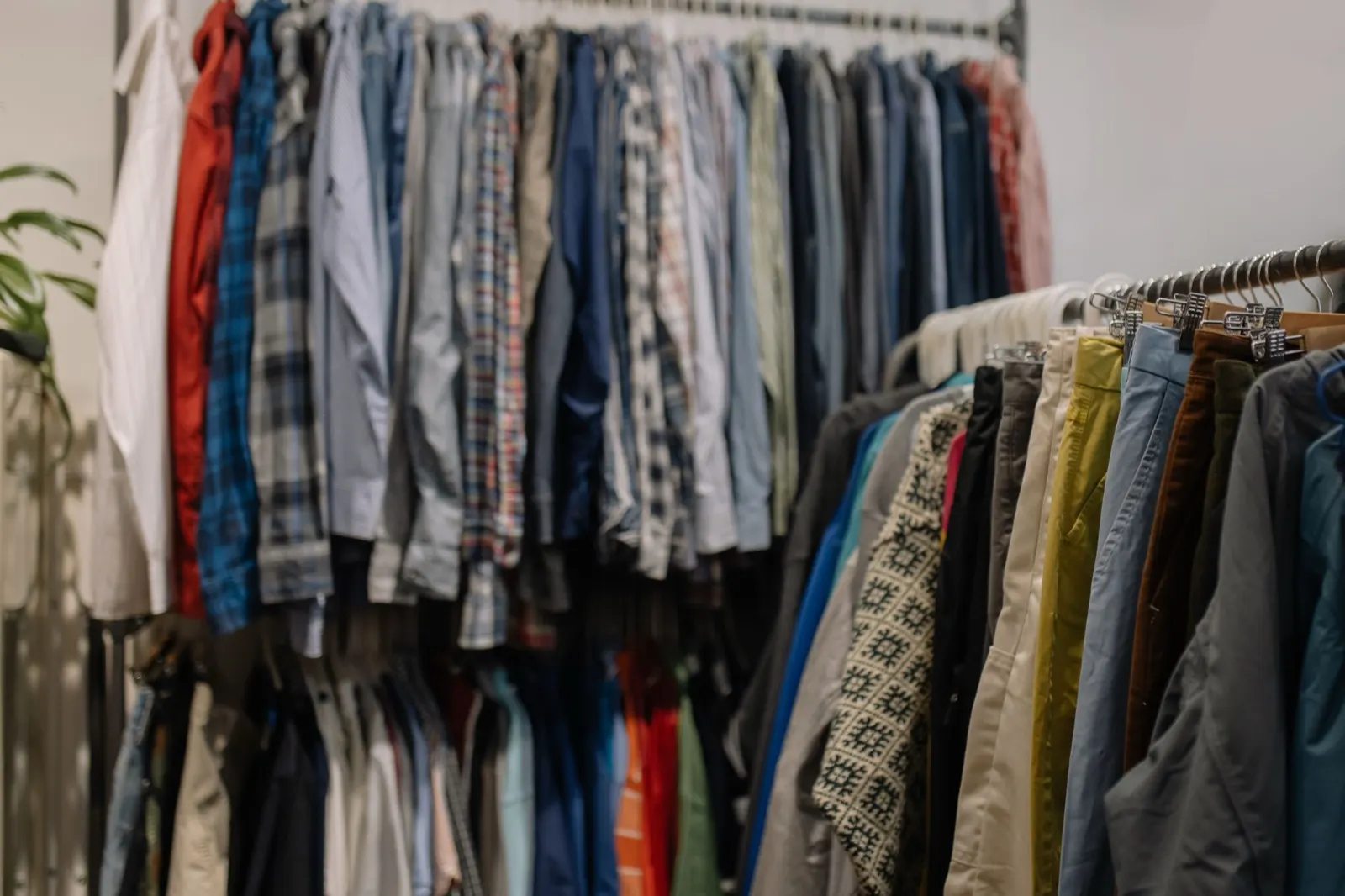
Price is where most secondhand clothing listings either sell fast or get stuck for weeks. Too high and buyers scroll past, too low and you feel like you gave the item away. This guide gives you simple rules for landing on a price that's fair to both you and the buyer.
Start from reality, not from your receipt
The most common mistake is calculating the price from what you paid. Buyers don't care what the jacket cost in the shop three years ago; they care what something similar costs on the secondhand market today.
So the first step is always the same: open search on Trifto and look for the same or similar pieces. Compare:
- the same brand, or brands in the same price bracket,
- the same type of clothing (a winter coat isn't the same as a spring jacket),
- similar condition,
- similar size, because some sizes move faster than others.
If similar items are listed across a range, aim for the middle if yours is in average condition, and the upper end if it's genuinely well kept.
A rule of thumb: a share of the retail price by condition
There's no official table for this, but many sellers use a rough rule based on condition. Treat it as a starting point, not a law:
- New with tags: roughly half to two-thirds of the original price. Even an unworn item loses value the moment it leaves the shop.
- Like new, worn a few times: around a third to a half of the original price.
- Worn but well kept: around a quarter to a third.
- Visible signs of wear (faded colour, pilling, small flaws): less than a quarter, or offer it in a bundle with other pieces.
Example: if a sweater cost around 6.000 RSD in the shop, and you wore it for one season and it still looks good, around 1.500 to 2.000 RSD is a reasonable start. Then compare with similar listings and adjust.
What pushes the price up
Some things justify a higher price, and they're worth highlighting in your description.
Brand and fabric quality
Well-known brands and quality materials (wool, cashmere, real leather, heavy denim) hold their value better than fast fashion. Buyers looking for them are usually willing to pay more, but they expect to see the composition label in your photos and description.
Sought-after models and vintage
Certain sneaker models, older denim jackets or genuine vintage pieces can sell above the top of that rule of thumb. What matters is how many people want it right now, so check how quickly similar listings disappear.
Season
A winter coat is worth more in October than in May. If you have time, wait for the right season, or list the item shortly before it starts.
What brings the price down
Buyers will notice these, so factor them in up front.
- stains that don't come out even after washing,
- pilling, especially under the arms and along the sides,
- faded or uneven colour,
- a stretched collar or cuffs,
- a smell of smoke or damp,
- a missing label, since the buyer can't check fabric or size,
- visible repairs.
You can fix some of these before selling. See the guide how to clean and refresh secondhand clothes.
Price psychology and haggling
Buyers in Serbia like to negotiate, and that's completely normal. Plan for it.
Leave a little room
If your minimum is 1.200 RSD, list the item at 1.400 RSD. That gives you room to come down, and the buyer feels they got a good deal. Don't overdo it, though.
Round numbers
Prices like 800, 1.000, 1.500 or 2.000 RSD look clear and honest. Prices with odd digits look like you pulled them out of a hat.
How to respond to a low offer
You don't have to accept every offer, and you don't need to get annoyed either. Reply briefly and politely with a counteroffer, for example: "Thanks for your interest, I can go down to 1.300 RSD." Most people are just testing.
When and how much to lower the price
If a listing sits for a week or two without messages, the price is probably the problem, or the photos. Check the photos first, and then:
- Lower the price by around ten percent.
- Wait another week.
- If there's still no interest, consider bundling it with similar items or making one more reduction.
Avoid dropping the price by a few dinars every day; it only tells buyers you'll go lower. For more on making a listing attractive, read how to sell secondhand clothes fast.
Pricing bundles
Bundles are a great way to clear basics that wouldn't sell on their own: T-shirts, leggings, kids' clothes, items in the same size. Offer the bundle for a bit less than the sum of individual prices, and you clear space with a single meetup or parcel.
Once you've set a price, post your listing on the Sell page.
In short
- Don't price from what you paid; price from similar secondhand listings.
- Use a share of the retail price by condition as a starting point, then adjust.
- Brand, quality fabric and season push the price up; flaws and smells bring it down.
- Leave a little room for haggling and use round numbers.
- If there's no interest, lower the price once by about ten percent or make a bundle.
Related guides
How to sell secondhand clothes fast
Practical tips on photos, pricing and descriptions so your secondhand clothes sell quickly, without endless haggling.
How to clean and refresh secondhand clothes
Washing by fabric, wool and cashmere, leather and suede, sneakers, removing smells and pilling, and refreshing with steam.